





Condition
Pediatric Lysosomal Storage Disorders
What You Need to Know
Lysosomes are sacs inside cells, containing enzymes that metabolize excess sugars and lipids into substances that cells can use. When lysosomes don’t work properly, these sugars and fats build up in the cell instead of being used or excreted.
Key Symptoms
Common symptoms of lysosomal storage diseases may include:
- Delay in intellectual and physical development
- Seizures
- Facial and other bone deformities
- Joint stiffness and pain
Diagnosis
Doctors typically diagnose lysosomal storage diseases by:
- Testing for enzyme deficiencies
- Prenatal genetic testing
- Genetic screening
Treatment
- Intravenous (IV) enzyme replacement
- Bone marrow transplantation
- Umbilical cord blood stem cell transplantation
Schedule an Appointment
Our pediatric specialists provide personalized care for your child’s physical, mental and emotional health needs. Meet the providers who treat lymphatic masses and schedule an appointment today.
What is a Lysosomal Storage Disease?
Lysosomes are sacs inside cells, containing enzymes that metabolize (break down) excess sugars and lipids (fats) into substances that cells can use. When lysosomes don’t work properly, these sugars and fats build up in the cell instead of being used or excreted.
Lysosomal storage diseases are rare, but can lead to death if untreated. The excess substances built up in your child’s cells can cause a wide range of problems throughout the body, affecting organs including the:
- Brain
- Spleen
- Liver
- Bones
- Muscles
What Causes Lysosomal Storage Diseases?
A defective gene that develops during fetal (before birth) growth causes lysosomal storage diseases. Children can inherit the gene from one or both parents. The defective gene regulates a particular enzyme in the lysosome, which either is missing or isn’t enough to process the excess substances. When these substances build up to harmful amounts, cells stop working properly and may die.
Types of Lysosomal Storage Diseases?
There are more than 50 types of lysosomal storage diseases. The types that occur most often in babies and children include:
- Gaucher disease
- Niemann-Pick disease
- Fabry disease
- Tay-Sachs disease
- Mucopolysaccharidoses (MPS) diseases
- Pompe disease
Symptoms of Lysosomal Storage Diseases
Symptoms vary depending on the type of lysosomal storage disease your child may have. One or more of these symptoms may occur:
- Delay in intellectual and physical development
- Seizures
- Facial and other bone deformities
- Joint stiffness and pain
- Difficulty breathing
- Problems with vision and hearing
- Anemia, nosebleeds, and easy bleeding or bruising
- Swollen abdomen due to enlarged spleen or liver
- Severe intellectual problems including mental retardation
- Behavioral problems including aggressive behavior and hyperactivity
How Are Lysosomal Storage Diseases Diagnosed?
Physicians can detect lysosomal storage diseases either during pregnancy or in newborns and young children. In addition to a physical exam, some of our diagnostic tools include:
- Testing for enzyme deficiencies in the blood, urine, and tissue
- Prenatal genetic testing, including amniocentesis and chorionic villus sampling, in families with a history of a lysosomal storage disorder
- Genetic screening to determine a person’s risk for passing a defective gene to future children
Treatments for Lysosomal Storage Diseases
Physicians can help relieve symptoms of some types of lysosomal storage diseases with treatment. At Children’s National, some common treatments include:
- Intravenous (IV) enzyme replacement
- Bone marrow transplantation to slow disease progression
- Umbilical cord blood stem cell transplantation to restore missing enzymes
Learn more about our Blood and Marrow Transplant Program at Children’s National.
Meet the Providers Who Treat Lysosomal Storage Disorders
Unlocking the Secrets of our DNA
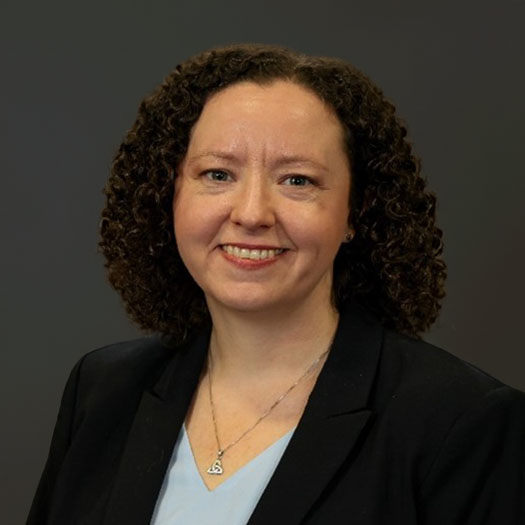
Medical geneticist Christina Grant, MD, PhD, fell in love with science when she was a little girl. Her passion for it, combined with her enthusiasm for working with kids led to an impactful genetics career at Children’s National.
Departments that Treat Lysosomal Storage Disorders
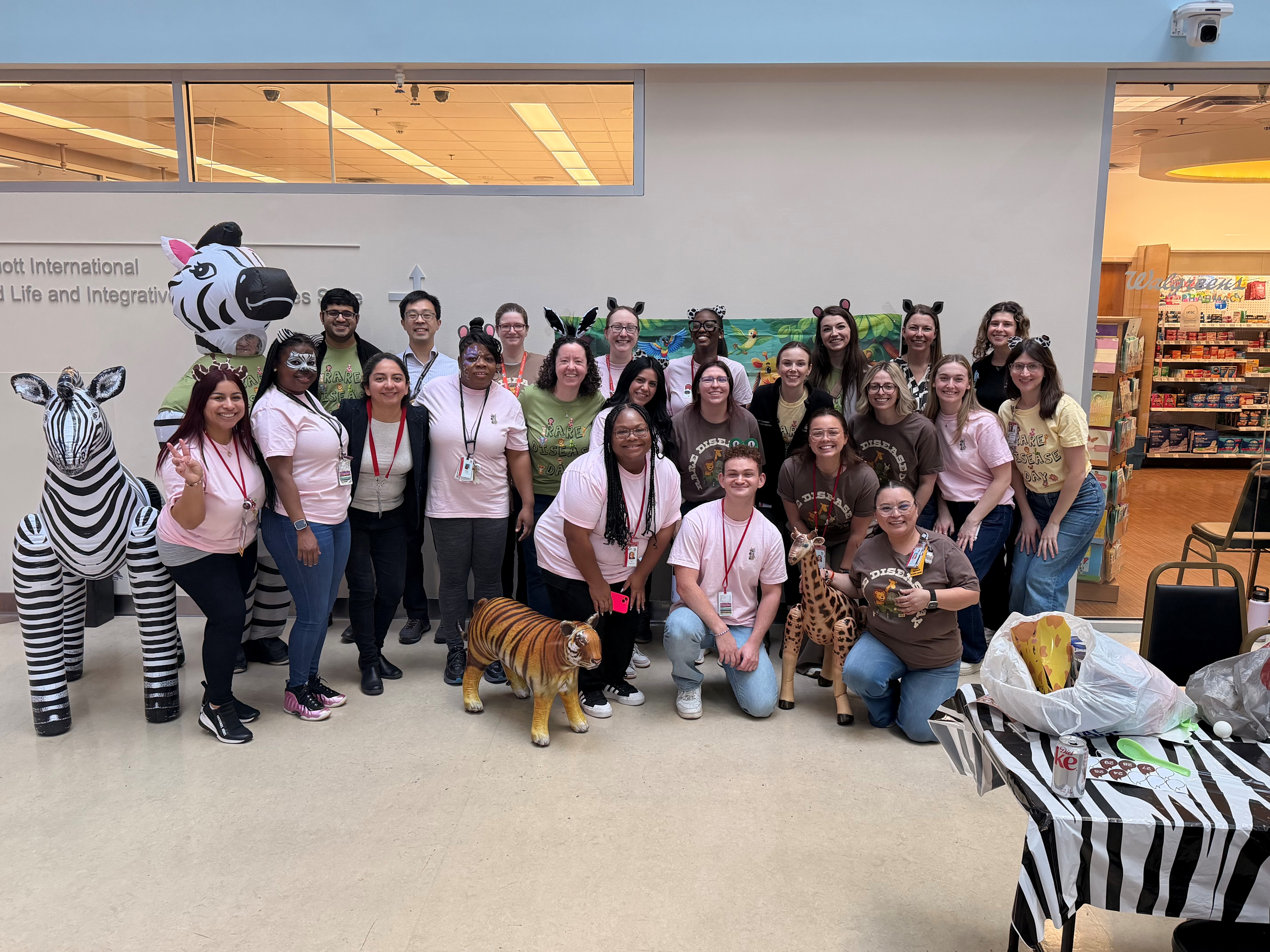
Rare Disease Institute - Genetics and Metabolism
Children's National Rare Disease Institute (CNRDI) is a first-of-its-kind center focused exclusively on advancing the care and treatment of children and adults with rare genetic diseases.


Help Kids and Make a Difference
Invest in future cures to help children have brighter futures.