Condition
Pediatric Hypoplastic Left Heart Syndrome (HLHS)
What You Need to Know
Hypoplastic left heart syndrome (HLHS) is a combination of several abnormalities of the heart and great blood vessels.
Key Syndrome
Common symptoms of HLHS may include:
- Blue color of the skin, lips and nails
- Sweaty, clammy or cool skin
- Fast heart rate
Diagnosis
Doctors typically diagnose HLHS by:
- Ultrasound
Treatment
- Surgery
Schedule an Appointment
Our pediatric specialists provide personalized care for your child’s physical, mental and emotional health needs. Meet the providers who treat hypoplastic left heart syndrome and schedule an appointment today.
Frequently Asked Questions
What is hypoplastic left heart syndrome (HLHS)?
Hypoplastic left heart syndrome (HLHS) is a combination of several abnormalities of the heart and great blood vessels. It is a congenital (present at birth) syndrome, meaning that the heart defects occur due to underdevelopment of sections of the fetal heart beginning during the first eight weeks of pregnancy.
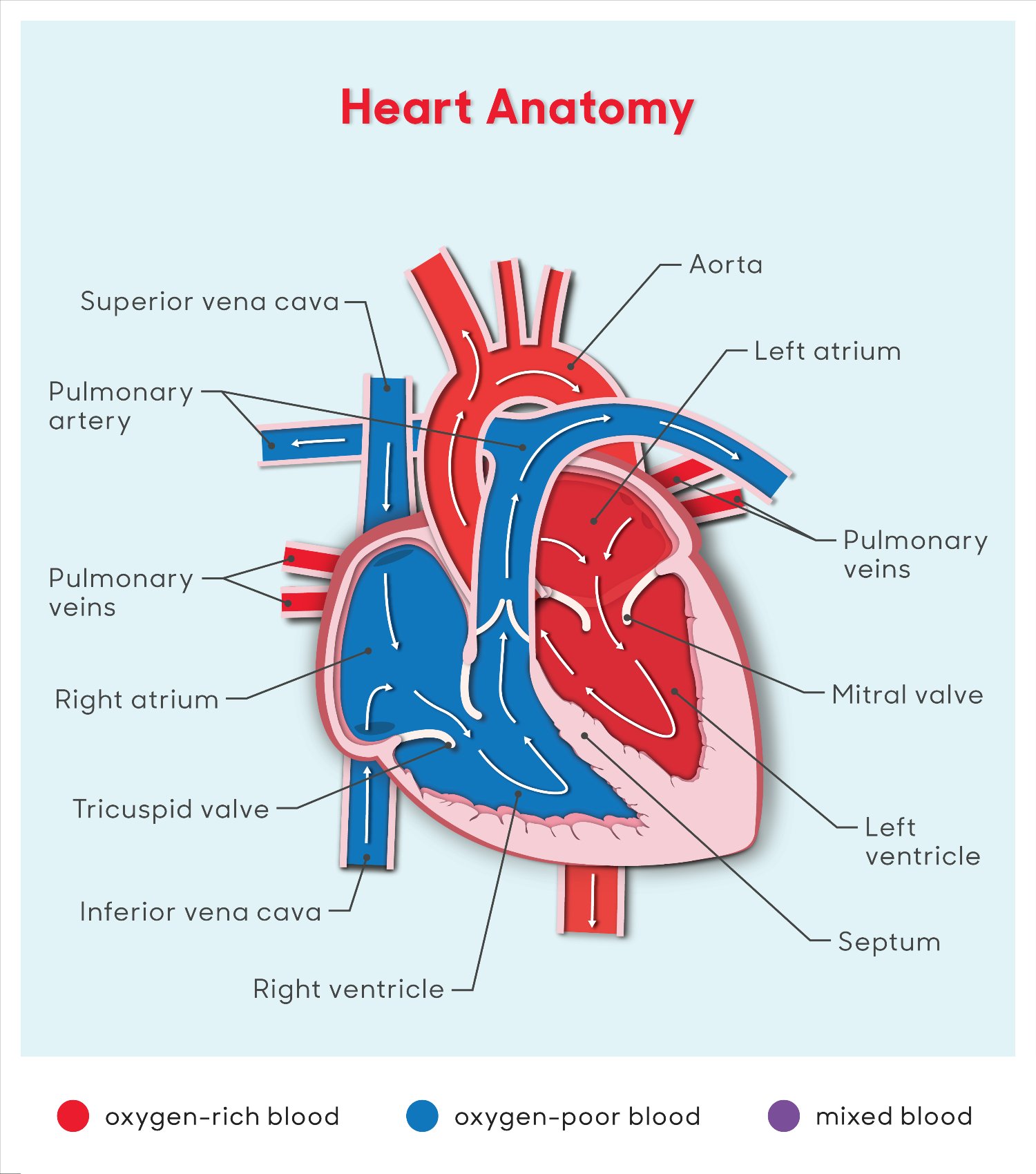
In the normal heart, oxygen-poor (blue) blood returns to the right atrium from the body, travels to the right ventricle, then is pumped through the pulmonary artery into the lungs where it receives oxygen. Oxygen-rich (red) blood returns to the left atrium from the lungs, passes into the left ventricle and then is pumped out to the body through the aorta.
In hypoplastic left heart syndrome, most of the structures on the left side of the heart are small and underdeveloped. The degree of underdevelopment differs from child to child. The structures affected usually include the following:
-
Mitral valve. The valve that controls blood flow between the left atrium and left ventricle in the heart.
-
Left ventricle. The lower left-hand chamber of the heart. It receives oxygen-rich (red) blood from the left atrium and pumps it into the aorta, which takes the blood to the body. The left ventricle must be strong and muscular in order to pump enough blood to the body to meet its requirements.
-
Aortic valve. The valve that regulates blood flow from the heart into the aorta.
-
Aorta. The largest artery in the body and the primary blood vessel leading from the heart to the body.
Perhaps the most critical defect in HLHS is the small, underdeveloped left ventricle. This chamber is normally very strong and muscular so it can pump blood to the body. When the chamber is small and poorly developed, it will not function effectively and cannot provide enough blood flow to meet the body's needs. For this reason, an infant with hypoplastic left heart syndrome will not live long without surgical intervention:
-
Hypoplastic left heart syndrome occurs in 2 to 3 out of every 10,000 live births or 1 in every 4,344 babies born in the U.S. each year.
-
HLHS occurs slightly more often in boys than in girls.
View information about our surgical volumes and outcomes at Children's National Hospital.
What is early primary repair for babies with HLHS?
Advanced Heart Surgery for Children: Early Primary Repair
At Children’s National, we plan treatments with your child’s long-term health in mind. If a newborn needs heart surgery, we intervene early and aggressively to correct defects. This way, the repair or reconstruction grows with your child and he or she benefits from a faster recovery. This approach is called early primary repair.
Many heart programs for children recommend waiting until a newborn is older before performing heart surgery. However, the longer we wait, the more health consequences a child may suffer. We perform surgery on infants so we can give them the best possible start in life:
- More than two-thirds of cardiovascular surgeries we perform are on patients less than 1 year old
- Half of those surgeries are on newborns less than 1 month old
To treat HLHS, multiple surgeries are completed in a staged approach:
Stage 1: The first staged surgery is specific to your child’s anatomy. Your child may undergo a Norwood operation or the HLHS hybrid procedure.
The Norwood procedure is an operation that can either occur within the first few days of birth (this is known as the primary Norwood) or within 3-4 weeks after birth (rapid two stage Norwood). Depending on the type of single ventricle heart defect, different surgical approaches may be used:
- Rapid Two Stage Norwood Procedure:
Children’s National is currently the only hospital in North America performing the rapid two stage Norwood procedure to treat infants with HLHS. In this procedure, infants will undergo rapid bilateral pulmonary artery banding (bPAB) during the first 24 to 48 hours of life. These bands will:
- Help protect your baby’s lungs from getting too much blood flow
- Allow your baby's heart to work more efficiently
- Give surgeons time to plan for the Norwood procedure while your baby grows stronger
While bPAB is performed very quickly after birth, the next stage – known as the Norwood procedure – is typically delayed until 3 to 4 weeks after birth. Traditionally, the Norwood procedure is performed eight (8) days after birth, but there are many advantages to delaying this procedure after bPAB:
- The heart, brain and other major organs have more time to strengthen
- Kidney function improves
- Your baby can begin to breathe and feed on its own
- Allows for more bonding time between the parents and baby
The Norwood procedure is a major open-heart surgery that uses a cardiopulmonary bypass machine (heart-lung machine) to support your baby during the operation.
- HLHS Hybrid Procedure:
The HLHS hybrid procedure is a combination of surgery and cardiac catheterization for babies with HLHS. The goal of the hybrid procedure is to help to delay more complex procedures until your baby grows stronger and healthier.
The hybrid procedure can be performed within the first few days of life. The surgery consists of reducing the blood flow to both lungs using mini-bands around the lung vessels and implanting a special metal stent into the arterial duct to maintain sufficient blood flow to the organs. This approach eliminates the need for the heart-lung machine and a major surgical operation for vulnerable newborns.
Once your child is ready for discharge from the hospital, they will be enrolled in the Single Ventricle Home Monitoring Program. A dedicated nurse practitioner will monitor your child’s progress at home until they receive their Glenn procedure.
Stage 2: Glenn Procedure
The Glenn procedure is an open-heart surgery that typically takes place when your child is between 3 to 6 months of age. The surgeons will connect the superior vena cava, a large vein that carries blue blood from the upper half of the body into the heart, directly to the pulmonary artery. This will enable blue blood from the upper body to flow directly to the lungs, without passing through the heart. If your child had a BTT or Sano shunt, it will be removed since it is no longer needed.
Stage 3: Fontan Procedure
The Fontan procedure can be scheduled any time between 2 and 4 years of age, depending on what your child needs. During this surgery, the inferior vena cava, a large vein that carries blue blood from the lower half of the body into the heart, is attached directly to the pulmonary artery. After the Fontan operation, all of the blue blood will go directly to the lungs without passing through the heart. This takes away a significant amount of work for the single pumping chamber. Given all the advances in surgical care, children born with a single ventricle defect who have completed the Fontan procedure are now living well into adulthood.

How do surgeons prevent brain injury during heart surgery for children with HLHS?
Preventing Brain Injury During Heart Surgery: Our Approach
When children need open heart surgery, we often need to place them on a cardiopulmonary bypass machine. During the surgery, the bypass machine takes over the function of the lungs and heart. This can carry a risk of neurological damage.
At Children’s National, our team takes every step possible to protect your child’s brain development. In fact, we are considered a leader in this area. Our heart specialists use evidence-based protective measures and take all the necessary steps to ensure a successful surgery — for your child’s heart and brain.
What should I expect before and after heart surgery for my child's HLHS?
Heart Surgery: What to Expect Before and After Your Child’s Procedure
Our approach to care results in shorter lengths of stay for patients following surgery. For example, we use the smallest incisions possible and streamline our surgical process so it’s efficient and effective. We provide:
- Preoperative diagnosis. We pinpoint your child’s exact condition. An accurate diagnosis is crucial in order to tailor a personalized treatment plan. Learn more about cardiac imaging.
- Postoperative care and evaluation. After your child’s surgery:
- Pediatric cardiac intensivists and cardiac critical care nurses and therapists provide the next stage of care in our Cardiac Intensive Care Unit.
- After a Cardiac ICU stay, we transfer your child to a dedicated cardiac unit with specially trained cardiac physicians and advanced practice nurse practitioners.
- During the recovery period, we perform tests to ensure the success of the procedure.
- Next steps. If your child needs any type of post-surgery therapy or other care, we plan for that and discuss the next steps with you.
Learn more about:
- Services for families: Support services and helpful resources for families and patients
- Amenities: Information about our facilities and services available during your child’s hospitalization
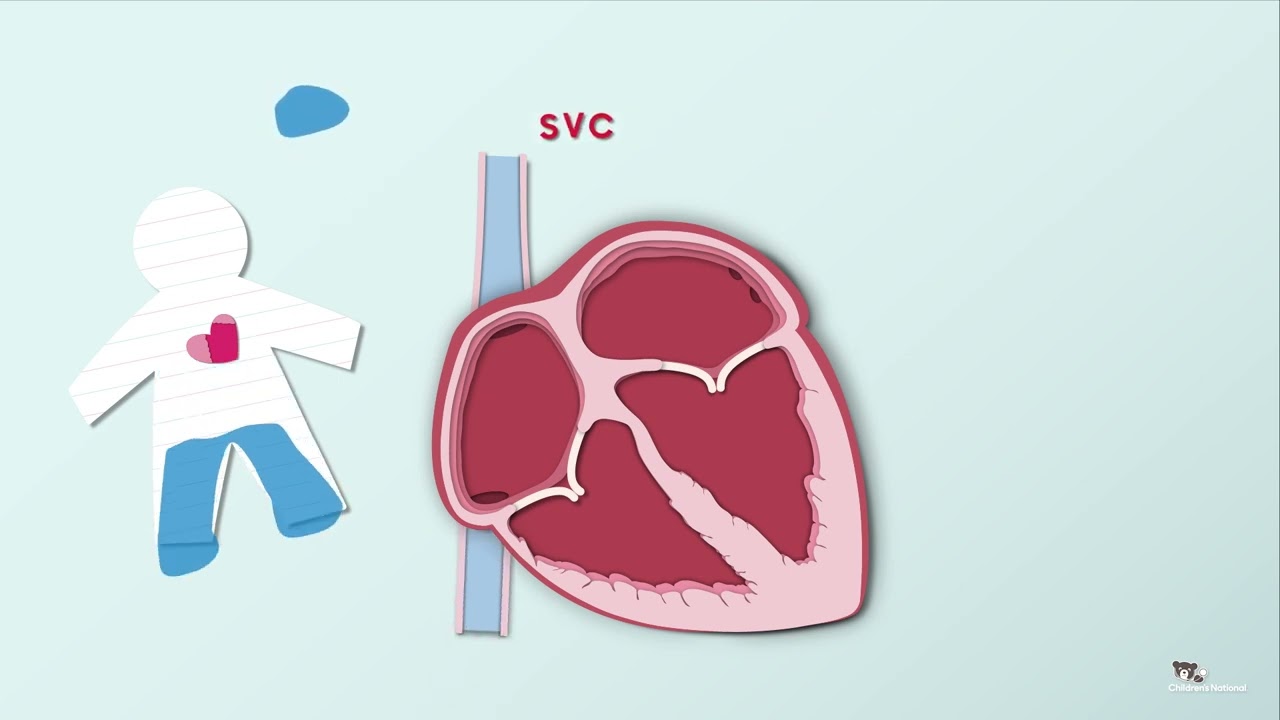
Anatomy of the Heart
This animation presents the anatomy of the heart in detail. Learn about the organ's various parts and the roles that they play.

Heart Anatomy Illustration

Hypoplastic Left Heart Syndrome Illustration

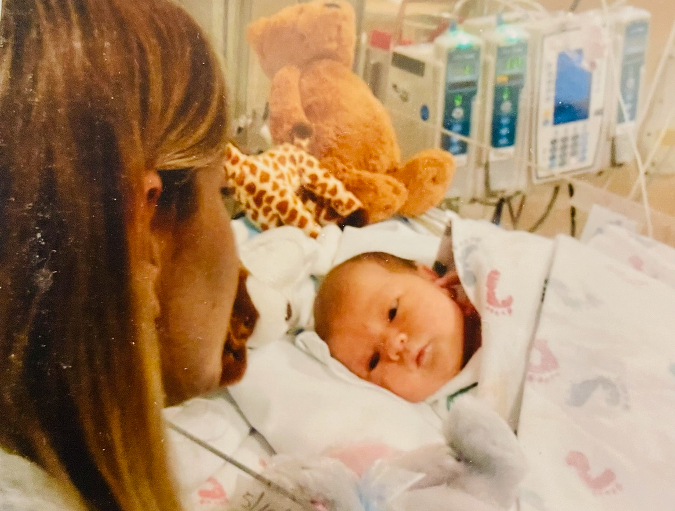
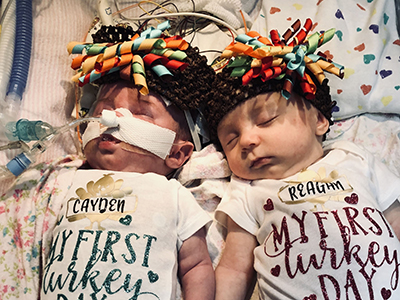
Patient Stories
Departments that Treat Hypoplastic Left Heart Syndrome (HLHS)

The Zickler Family Prenatal Pediatrics Institute
The Zickler Family Prenatal Pediatrics Institute at Children's National Hospital in Washington, D.C., provides specialized care for babies during pregnancy, delivery and after birth.

Single Ventricle Program
At Children’s National, we offer innovative surgical procedures and lifelong care plans for children with single ventricle heart defects.

Heart and Lung Center
Our expert pediatric heart team, including more than 40 subspecialties, offer advanced heart care and excellent outcomes for thousands of children every year.

Pediatric Cardiac (Heart) Surgery
Children’s National offers top-ranked pediatric heart surgery with expert surgeons, advanced techniques and trusted outcomes. Explore our surgical options for congenital heart defects and pediatric cardiac (heart) conditions.

Help Kids and Make a Difference
Invest in future cures to help children have brighter futures.